
CASE STUDY
A PE-backed manufacturer and distributor, needed to consolidate three existing facilities into one location by January 1, 2026. The business goal was clear: reduce operational complexity, improve efficiency, shorten customer lead times, and create a more scalable operating footprint without disrupting day-to-day operations.
For the PE-backed manufacturing organization, the stakes were especially high. Facility consolidation was not just an operational move; it was an execution-critical initiative tied to efficiency, cost control, customer responsiveness, and long-term enterprise value.
The initiative required careful coordination across operations, logistics, supply chain, facility design, infrastructure, employee relocation, vendors, permitting, and city inspections. With multiple dependencies moving at once, the client needed more than a project plan. They needed execution authority, structured visibility, and an experienced partner who could keep the critical path moving when risk surfaced.
Permit timelines reduced from 20 days to 2 days through 5280 PMO’s relationship-building and coordination with the city
Project completed under budget, allowing the client to extend 5280 PMO’s support for an additional month
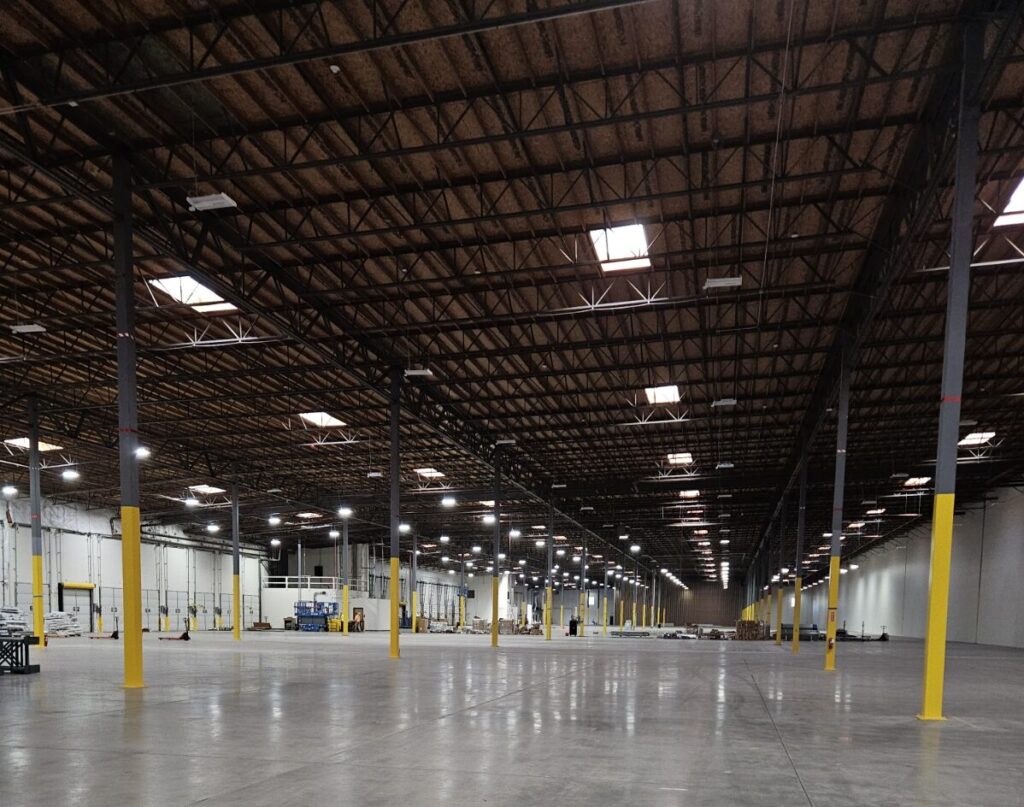
Three facilities consolidated into one operating location
Long-term regulatory risk reduced through a stronger working relationship with the city
The client’s facility consolidation required the organization to move quickly while protecting business continuity. For a PE-backed manufacturer, delays in permitting, inspections, vendor coordination, or operational readiness could have created downstream disruption across customers, employees, and enterprise performance.

Additional challenges included:
The most significant challenge emerged when the manufacturer encountered failed inspections. The team had been informed that a change of use was not required because the previous tenant operated in the same industry. However, once inspectors evaluated the space, they determined that the equipment in the facility triggered additional dust inspection and air quality requirements under the State of Washington.
This created a major risk to the Certificate of Occupancy timeline and introduced new regulatory complexity in the project.
The team coordinated directly with city officials, recommended a face-to-face meeting to clarify code requirements, and helped pursue a Temporary Certificate of Occupancy as an interim path.
Rather than treating permitting as a passive administrative step, 5280 PMO turned it into an active execution workstream.
The team built trust with city stakeholders, helped bridge the relationship between the client leadership team and inspectors, and created the structure needed to move approvals forward.
For vendor challenges, 5280 PMO established critical touchpoints:
Our client’s main objective was to consolidate three existing manufacturing and distribution facilities into one location by January 1, 2026, while minimizing business interruption.
The broader goals included:
For a PE-backed manufacturer, these objectives aligned directly with value creation: reducing cost, improving operational control, strengthening scalability, and creating a more efficient platform for future growth.
5280 PMO used a structured project execution approach built around clarity, accountability, and visibility.
The team began with an onsite visit to meet with key team members, understand the workstreams, define critical tasks, identify dependencies, and surface risks.
From there, 5280 PMO validated the project plan with leadership to create alignment around a shared execution roadmap.
The project was managed using:
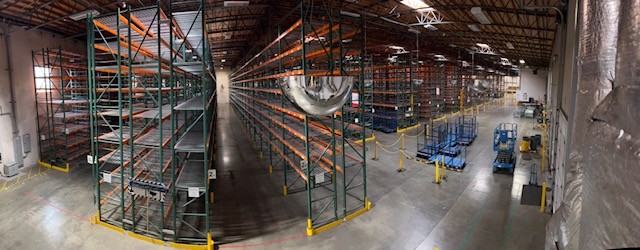
The manufacturer successfully consolidated operations from three facilities into one, creating a more efficient and scalable operating environment.
By bringing key functions under one roof, the organization reduced redundancy, improved operational coordination, and positioned itself to reduce customer lead times and shipping times.
The project also strengthened our client’s ability to manage future city and permitting interactions.
Through 5280 PMO’s facilitation, the client developed a trusted relationship with city stakeholders, which helped reduce regulatory uncertainty and accelerate approvals.
Most notably, permit timelines were reduced from 20 days to 2 days, and the project came in under budget, allowing the client to extend 5280 PMO’s support for an additional month.
“The manufacturer consolidated operations from three facilities into one while establishing a proactive, trusted relationship with the city, reducing regulatory risk and enabling more efficient, scalable operations.”

Rhianna. Sutula, Portfolio Manager
5280 PMO
5280 PMO delivered a structured execution environment across the full consolidation effort, including:
5280 PMO facilitated collaboration through a disciplined meeting cadence and centralized visibility into project progress. Weekly meetings were used to review the project plan, discuss RAID items, prepare the team for upcoming work, and resolve escalations.
When the Certificate of Occupancy risk materialized, 5280 PMO shifted the team into a daily standup cadence. This ensured tight timelines were managed closely, open items were not missed, and cross-functional dependencies could be addressed in real time.
The result was a more responsive execution model where risks were visible, decisions were accelerated, and teams had a clear forum for alignment.
The client’s leadership team played a critical role in the project’s success. The leadership team was responsive to escalations, actively partnered with 5280 PMO to resolve issues, and leaned into the mechanical engineering and dust mitigation requirements once they surfaced.
Their engagement helped remove barriers and supported the buildout needed to satisfy inspection requirements. Combined with 5280 PMO’s execution discipline, this leadership involvement enabled the team to stay focused on the end goal despite late-stage regulatory complexity.
The long-term impact of the project extended beyond the physical move. The manufacturer now operates more efficiently from one facility instead of three, reducing operational complexity and creating a stronger foundation for scalable growth.
The project also created a lasting relationship between the manufacturer and the city, helping reduce future regulatory risk. This became one of the most important lessons of the engagement: when permitting or inspection issues threaten a critical initiative, proactive stakeholder management can be just as important as the project plan itself.
For this PE-backed manufacturer, this was more than a facility move. It was a business-critical consolidation that required disciplined execution, fast escalation, vendor coordination, regulatory navigation, and operational continuity.
When the Certificate of Occupancy was at risk, 5280 PMO helped the team move from uncertainty to action by building alignment with city stakeholders, clarifying requirements, and creating the cadence needed to keep the project moving.
By consolidating three facilities into one and reducing permit timelines from 20 days to 2 days, the client gained a more efficient operating model, a stronger relationship with the city, and a scalable foundation for future growth.
Let’s talk about how 5280 PMO can step in, take control, and ensure your most critical initiatives deliver.
High-stakes operational initiatives do not fail because the strategy is unclear. They fail when execution lacks visibility, ownership, cadence, and control.
5280 PMO helps organizations turn complex initiatives into measurable outcomes through strategic execution, PMO leadership, dependency management, and hands-on delivery support.
If your organization is planning a facility consolidation, operational transformation, post-acquisition integration, or complex business transition, 5280 PMO can help you move from plan to execution with confidence.

